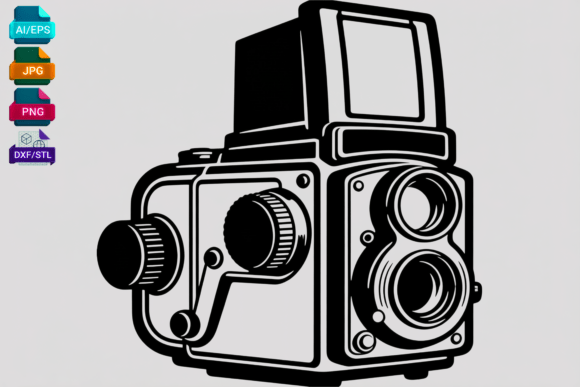
Vintage Camera SVG Retro Photography
When I sit down to evaluate a new digital asset for my embroidery studio, I am rarely looking at just a shape. I am looking at how that shape will translate from a vector screen into thread, stabilizer, and fabric. The market is flooded with generic icons, but Vintage Camera SVG Retro Photography caught my attention because it carries a specific narrative weight. It isn’t merely a camera; it is a symbol of memory, nostalgia, and the tactile joy of capturing moments. For designers who specialize in handmade goods, this distinction matters immensely.
This review focuses on the practical application of this design in real-world scenarios. Whether you are an Etsy seller preparing a holiday collection, a boutique owner curating personalized gifts, or a hobbyist making a one-off gift for a photographer friend, understanding the nuances of this file is crucial before you hit the start button on your machine.
The First Impression: Mood and Visual Personality
The moment you load Vintage Camera SVG Retro Photography into your digitizing software or cut planner, the aesthetic speaks for itself. The design leans heavily into mid-century modern influences, featuring clean lines and a silhouette that evokes classic film cameras rather than sleek digital gadgets. This retro vibe creates an immediate sense of warmth and authenticity.
From a design perspective, the layout is balanced. It avoids the cluttered complexity that often plagues intricate embroidery files. Instead, it relies on strong geometric forms and negative space. This simplicity is its greatest strength. When translating this to a machine embroidery design, less is often more. The visual personality suggests a project that is sophisticated yet approachable. It feels right at home on items that celebrate craftsmanship, such as linen aprons, canvas tote bags, or soft cotton baby blankets. It does not scream for attention; instead, it invites the viewer to appreciate the details of the craft.
Real-World Application: Where This Design Shines
In my experience, the success of an embroidery project often depends on matching the design theme to the product category. Vintage Camera SVG Retro Photography has a natural affinity for storytelling products. Here is how it performs in specific use cases:
- Custom Apparel and Sweatshirts: Placing this design on the chest of a crewneck sweatshirt or the pocket area of a t-shirt creates an instant statement piece. The retro theme pairs exceptionally well with heather grey, olive green, or navy fabrics. For a sweatshirt embroidery project, the clean lines of the camera allow for bold thread colors like mustard yellow, burnt orange, or cream, which pop beautifully against darker backgrounds.
- Tote Bags and Canvas Goods: A tote bag design featuring a vintage camera is a logical and popular choice. The sturdy nature of canvas holds up well to the density of the stitching. This is particularly effective for Etsy sellers targeting photographers, journalists, or travelers. It serves as a perfect personalized gift for someone who values analog aesthetics.
- Baby and Nursery Items: There is a surprising demand for non-traditional baby themes. A subtle, embroidered vintage camera on a burp cloth or muslin square can appeal to parents who appreciate art and history. As a baby embroidery project, it offers a gender-neutral option that stands out from typical clouds and stars.
- Applique and Patch Projects: Because the design has distinct shapes, it lends itself well to an applique design approach. You could stitch a satin border around the camera body and fill it with contrasting fabric, then add simple running stitch details for the lens. This adds texture and dimension, elevating a simple embroidered patch into a premium product.
Technical Considerations and Potential Pitfalls
While the aesthetic is strong, every designer knows that execution is everything. Vintage Camera SVG Retro Photography requires careful planning to ensure the final product looks professional rather than amateurish. There are several areas where caution is advised.
Hoop Size and Scale: One of the most common mistakes is underestimating the importance of scale. If you attempt to embroider this design in a very small hoop size, the fine details—such as the viewfinder buttons or the lens ridges—may become muddy or indistinguishable. Always check the recommended hoop size provided by the creator. If the design is intended to be small, consider simplifying the stitch pattern or using a larger format to maintain clarity.
Fabric Texture and Stability: The performance of this file is heavily dependent on the substrate. On smooth, tightly woven cottons, the stitches will lay flat and crisp. However, on highly textured fabrics like heavy denim or chunky knits, the design may distort. Similarly, thin or stretchy fabrics require a robust stabilizer solution. Without proper backing, the tension of the fill stitch areas could pucker the fabric, ruining the clean lines of the camera shape. For curved surfaces like caps, extra care must be taken to manage the curvature of the stitching paths.
Stitch Density and Clarity: While the description mentions "smooth cutting," for embroidery, we must look at stitch density. If the design uses too many dense stitches in small areas, it can become stiff and uncomfortable to wear. Conversely, if the satin stitch borders are too narrow, they may fray or lose definition over time. It is wise to test the design in black and white mockups first to visualize how the light and dark threads interact. This helps in selecting the best thread colors to ensure contrast without overwhelming the eye.
Practical Designer Notes for Success
To get the most out of this digital asset, I recommend following these practical steps before committing to a final production run:
- Test on Scrap Fabric: Never assume a design will work perfectly on your target material. Run a test stitch-out on a scrap piece of the same fabric type. Check for puckering, thread breaks, or alignment issues.
- Review Small Details: Zoom in on the digital file. Are there tiny elements that might get lost in translation? If so, consider removing them or enlarging the overall design.
- Check Licensing for Commercial Use: If you plan to sell finished products, confirm the licensing terms. Some digital embroidery files are for personal use only, while others allow commercial sales of the physical item. Understanding this distinction protects your craft business from legal issues.
- Experiment with Thread Colors: Don't stick to black thread. Try metallics for the lens accents or pastel tones for a softer look. The versatility of the design allows for creative interpretation.
- Inspect Stitch Types: Ensure the combination of applique design, satin stitch, fill stitch, and running stitch works harmoniously. Too many different stitch types in a small area can create a chaotic texture.
Final Verdict: Value and Professional Appeal
Vintage Camera SVG Retro Photography is more than just a graphic; it is a versatile tool for creating high-quality handmade products. Its retro charm resonates with customers who value authenticity and style. For small shop owners and creative entrepreneurs, this design offers a reliable way to expand your catalog with items that have broad appeal.
It works exceptionally well for holiday embroidery collections, wedding favors, and corporate gifts for creative agencies. The design’s clean aesthetic ensures that it looks professional even when stitched quickly, which is vital for meeting tight deadlines. However, its success ultimately depends on your technical execution. By paying attention to fabric texture, stabilizer choice, and thread colors, you can transform this digital file into a tangible, desirable finished product.
Whether you are using it for a custom apparel order or adding it to your library of design assets for future projects, this file earns its place in a serious designer’s toolkit. It balances artistic flair with structural integrity, making it a smart investment for anyone looking to elevate their embroidery offerings.