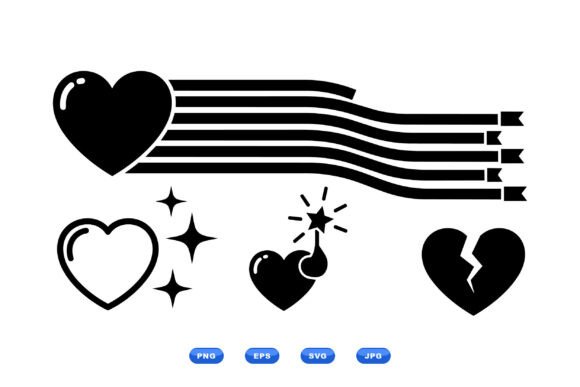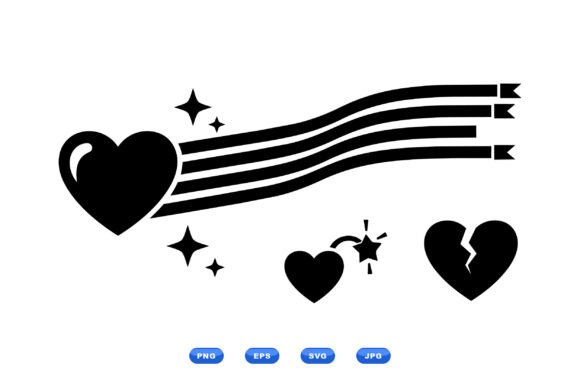
Special Education Retro Heart SVG PNG Review
As a designer who spends more time looking at stitch density charts than social media feeds, I approach every new digital asset with a healthy dose of skepticism. We have all seen the endless streams of generic heart designs that flood marketplaces like Etsy and Creative Market. Most are cluttered, poorly proportioned, or simply lack the visual weight needed to translate well from screen to fabric. However, when evaluating a Special Education Retro Heart SVG PNG, my initial instinct was not just about aesthetics, but about utility. Does this design actually work for a real-world embroidery project? Can it stand up to the rigors of commercial production, or is it better suited for a quick hobbyist weekend project?
The First Impression: Mood and Visual Weight
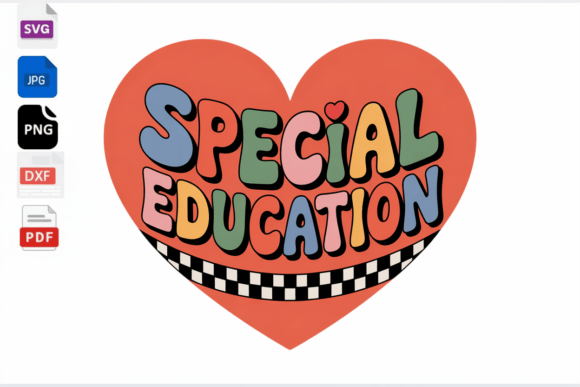
The moment you open the file bundle, the retro aesthetic hits you immediately. This is not a delicate, lacy floral heart; it is bold, nostalgic, and intentionally graphic. The "retro" element suggests a specific era—likely late 60s or early 70s pop art influences—which gives it a distinct personality. For a designer, this clarity is crucial. In the world of machine embroidery design, ambiguity is the enemy. You need shapes that read clearly even when they are stitched in thread.
The layout feels balanced, avoiding the common pitfall of having too much negative space that can lead to puckering or lack of coverage. It strikes a nice middle ground between being a statement piece and being an accent. When I first visualized this on a product, I didn’t see it as a standalone masterpiece for a museum-quality quilt. Instead, I saw it as the perfect anchor for everyday items. The visual weight is substantial enough to hold its own on a heavy cotton canvas tote bag, yet refined enough to feel intentional on a baby onesie. It creates a mood of warmth and inclusivity, which aligns perfectly with the "Special Education" theme, suggesting support, love, and community without being overly sentimental or cheesy.
Real-World Application: From Screen to Stitch
To truly judge an embroidery file, you have to imagine it on three-dimensional objects. Let’s talk about a custom embroidered patch for a teacher’s lounge or a boutique school supply store. The retro heart shape lends itself beautifully to applique techniques. Imagine using a contrasting felt backing with a satin-stitched border, then filling the interior with a fill stitch pattern. The clean lines of the retro design would allow for sharp edges, preventing the dreaded "mushy" look that happens when stitch directions clash.
I also envision this design thriving on apparel. A sweatshirt embroidery project using a heather grey fabric with a cream or mustard yellow thread variation would give this design a vintage, lived-in feel. It works exceptionally well for custom apparel targeted at educators, special needs advocates, or parents of children in inclusive classrooms. The design has a universal appeal that transcends specific age groups, making it versatile for everything from adult hoodies to toddler tees.
Furthermore, consider the tote bag design angle. A simple, centered placement on a natural jute or heavy cotton canvas allows the retro heart to be the hero. Because the design is likely vector-based (given the SVG inclusion), scaling it up or down is seamless. You can place a smaller version on the front pocket and a larger one on the back, creating a cohesive brand identity for a small business selling educational supplies. This versatility is what separates a good digital embroidery file from a great one.
Where Caution Is Required
While the design is strong, no single file is perfect for every scenario. There are specific situations where you must exercise professional judgment. If you plan to use this on curved surfaces like caps or hats, ensure your machine’s hoop capabilities match the curvature. Retro designs often have wide spans; if the curve is too aggressive, the outer edges may pull, distorting the heart shape.
Additionally, pay close attention to stitch density. If the original design contains dense fill areas, testing on thin fabrics like silk or lightweight polyester is risky. Without proper stabilizer support, these areas can pucker or show through to the front, ruining the handmade product quality. Similarly, if you attempt to digitize this into a complex applique design with tiny decorative accents, ensure your needle size matches the fabric thickness. Using a fine needle on thick denim will result in skipped stitches, while a heavy needle on light cotton will leave visible holes.
Impact on Brand and Customer Perception
In the competitive landscape of Etsy seller listings and craft business marketing, presentation is everything. A high-quality finished product reflects directly on your brand consistency. When a customer receives a personalized gift or a boutique item featuring a clean, well-executed retro heart, it signals professionalism. It tells them that you care about the details.
This design also taps into the growing demand for inclusive and meaningful merchandise. By choosing a theme related to special education, you are connecting with a passionate community. The retro style adds a layer of trendiness that appeals to younger buyers, while the message resonates with older demographics. This broad appeal can increase buyer engagement and word-of-mouth referrals. When customers see a design that looks both stylish and heartfelt, they are more likely to trust your shop and return for future purchases.
Practical Designer Notes for Execution
Before you commit to a large production run, follow these essential steps to ensure success:
- Test on Scrap Fabric: Always run a test stitch on the exact fabric you plan to use. This helps you identify potential issues with fabric texture or tension before wasting materials.
- Check Thread Color Contrast: Retro designs rely on clear definition. Ensure your thread colors provide enough contrast against your base fabric. A dark heart on black fabric will disappear; a light heart on white fabric might lack punch.
- Review Stitch Density: Look closely at the fill stitch and satin stitch areas. Are there any gaps that might require additional passes? Adjusting the density in your digitizing software can improve durability.
- Confirm Hoop Size: Verify that the hoop size accommodates the full design dimensions, including any necessary margins for trimming.
- Inspect Small Details: Zoom in on the corners and curves. Tiny details can get lost in stitching if the resolution is too low or the digitization is too sparse.
- Black and White Mockups: Convert your design to black and white to check the balance of positive and negative space. This removes color bias and helps you evaluate the pure form.
- Stabilizer Selection: Use the appropriate stabilizer for your fabric type. Cut-away stabilizers are generally safer for stretchy fabrics, while tear-away works well for woven materials.
- Licensing Check: Crucially, confirm whether the license allows for commercial embroidery projects. Many digital assets are restricted to personal use only. Selling finished items requires explicit permission.
Final Verdict
The Special Education Retro Heart SVG PNG is a solid addition to any designer’s library. It offers a blend of nostalgic charm and modern simplicity that translates well across various mediums. Whether you are creating holiday embroidery gifts, baby embroidery keepsakes, or small shop products for teachers, this design provides a reliable foundation. Its strength lies in its adaptability and emotional resonance. As long as you respect the technical limitations of embroidery and prepare your files correctly, this design can help you create design assets that are not only visually appealing but also commercially viable. It is a tool that empowers creators to make meaningful connections through their craft, proving that sometimes, the simplest shapes carry the heaviest messages.