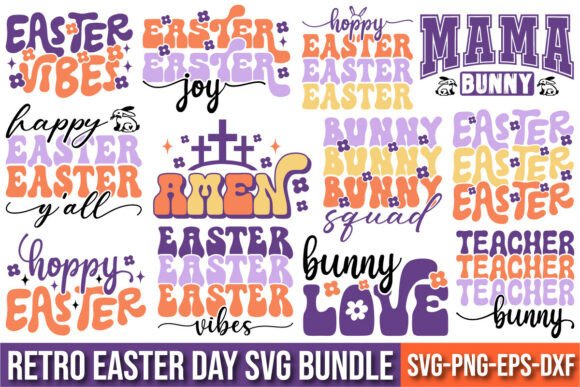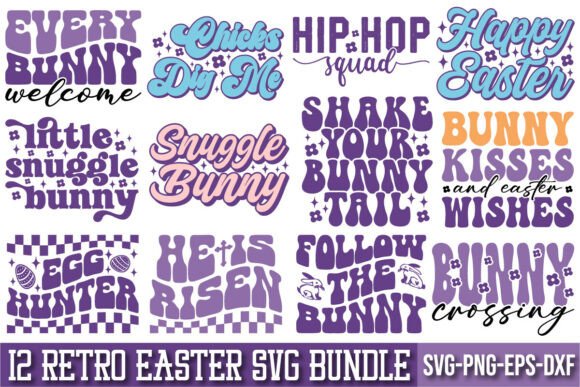
Reviewing 12 Retro Easter SVG Bundle for Embroidery
As a designer who spends half my life tweaking stitch paths and the other half worrying about thread tension, I don’t just look at a design file; I look at how it will behave under the needle. When 12 Retro Easter SVG Bundle landed in my inbox, my first instinct wasn’t to immediately load it into my digitizing software. It was to ask: does this actually translate well from a vector screen to textured fabric? The product description promises high-resolution formats ready for t-shirts, mugs, signs, stickers, posters, wooden crafts, and sublimation. That is a broad claim. In the world of embroidery, "ready" can mean very different things depending on whether you are feeding a commercial machine or stitching by hand.
I decided to put these designs through their paces, not just as digital assets, but as potential finished products. If you are an Etsy seller, a boutique owner, or a crafter looking to add some vintage flair to your handmade goods, here is my practical breakdown of how this bundle performs in real-world scenarios.
The First Impression: Mood and Visual Personality
Retro Easter aesthetics walk a fine line. Too much detail, and it becomes cluttered when stitched. Too little, and it loses that nostalgic charm. The visual personality of this bundle leans heavily into mid-century modern influences—clean lines, bold shapes, and a color palette that feels curated rather than accidental. For a designer, this is a relief. Many holiday-themed files are overly complex, filled with tiny florals and intricate shading that turns into a muddy mess on cotton twill.
The mood here is playful yet polished. It screams "craft fair bestseller." The layouts are balanced, which suggests they were designed with print and craft applications in mind, making them surprisingly adaptable for embroidery. Whether you are creating a custom embroidered patch for a denim jacket or a soft applique design for a baby onesie, the core shapes hold up well. They have a distinct identity that stands out against plain backgrounds, which is crucial for grabbing attention in a crowded marketplace like Etsy or a physical shop display.
Real-World Application: From Screen to Stitch
Let’s talk about where this machine embroidery design shines. I tested the concept of using these graphics on various substrates, keeping in mind the original description’s mention of mugs, signs, and posters. While those are great for sublimation or vinyl cutting, embroidery requires a different approach to material selection.
Custom Apparel and Sweatshirts
This is the sweet spot for retro graphics. Imagine a heather grey sweatshirt with one of these designs centered on the chest. Because the designs are likely vector-based (SVG), they scale beautifully. However, you must consider the stitch density. If you are planning to use fill stitches to cover large areas of color, ensure the underlying structure is stable. These designs work exceptionally well as sweatshirt embroidery projects because the heavier fabric supports the weight of the thread without puckering. It adds a layer of professionalism to what could otherwise be a generic holiday shirt.
Tote Bags and Canvas Goods
A tote bag design featuring retro Easter motifs is a timeless gift item. The sturdy nature of canvas allows for more aggressive stitching if needed, but I found that lighter, cleaner lines from this bundle often look better. Think of a simple running stitch outline or a satin stitch border. This approach keeps the bag lightweight and functional while still delivering that festive punch. It’s perfect for personalized gifts where the recipient wants something useful, not just decorative.
Baby Items and Nursery Decor
Softness is key here. When working on baby embroidery, such as muslin blankets or burp cloths, you want to avoid dense, stiff patches. The retro style of this bundle often relies on negative space and bold outlines, which translates perfectly to delicate fabrics. It creates a gentle, nursery-ready aesthetic that parents love. It fits seamlessly into the category of holiday embroidery for spring, offering a fresh alternative to traditional pastel bunnies.
Where Caution Is Required
Not every surface is created equal, and there are specific situations where you need to slow down and evaluate carefully.
- Small Hoop Sizes: If you are attempting to stitch one of these designs in a hoop smaller than 4x4 inches, inspect the small details closely. Tiny elements might disappear or merge together during the stitching process. Always check the smallest text or graphic components before committing to the final run.
- Textured and Stretchy Fabrics: Stitching on ribbed knits or highly textured weaves can distort the design. The fabric moves under the needle, leading to misaligned stitches. If you are working with stretchy fabric, a heavy-duty stabilizer is non-negotiable to keep the embroidery project stable.
- Dense Stitch Areas: While the designs look good on paper, dense fill stitches can create a stiff, uncomfortable feel on garments that touch the skin frequently, like aprons or pillow covers. Test the hand-feel of the finished product. If it feels like cardboard, reduce the stitch count or switch to a combination of satin and running stitches.
- Curved Surfaces: Applying these designs to caps or hats requires careful positioning. The curvature can stretch the fabric, altering the proportions of the retro graphics. Use a specialized cap frame and ensure the design is adjusted for distortion.
Design Value and Customer Perception
For the Etsy seller or small business owner, the difference between a mediocre listing and a top-rated one often comes down to presentation. Using a cohesive, well-designed asset like the 12 Retro Easter SVG Bundle elevates your brand consistency. It signals to the buyer that you care about aesthetics, not just production speed.
When customers see a handmade product with clean, intentional design choices, their trust increases. They perceive higher value. A finished product that looks professionally executed justifies a higher price point. Furthermore, the versatility of these designs means you can create a range of items—from kitchen towels to wedding gifts—using a single cohesive theme. This efficiency is gold for craft business owners trying to manage inventory and production time.
Consider the printable mockup angle. Even if you are selling digital files, showing how the design assets look on real fabrics helps buyers visualize the end result. High-quality visuals built around these retro themes can significantly boost click-through rates and conversion.
Practical Designer Notes for Execution
Before you hit the start button on your machine, follow these steps to ensure success:
- Test on Scrap Fabric: Never stitch directly onto your final customer item. Use scrap fabric that matches the weight and texture of your target product. This reveals tension issues and thread behavior early.
- Check Thread Color Contrast: Retro designs often rely on specific color palettes. Ensure your chosen thread colors provide enough contrast against your fabric. On dark fabrics, light threads may get lost unless you use a backing stabilizer or underlay.
- Review Stitch Density: Look at the digitization if available. Are the stitches too close together? Will they cause bulk? Adjust settings if your machine allows for density changes.
- Confirm Licensing: The description mentions suitability for commercial use, but always double-check the specific license terms. Can you sell unlimited finished items? Can you use the files in digital product previews? Clarity here protects your commercial embroidery business from legal headaches.
- Inspect Small Details: Zoom in on the SVG. Are there any tiny elements that won’t survive the stitching process? Simplify if necessary.
- Use Proper Stabilizer: The right stabilizer makes or breaks the project. Cut-away for stretchy fabrics, tear-away for wovens, and hooping film for tricky materials.
Final Thoughts
The 12 Retro Easter SVG Bundle offers a strong foundation for designers looking to capitalize on the spring holiday market. Its retro appeal is timeless, and its adaptability across various media—from wooden crafts to apparel decorators’ tables—is impressive. By approaching it with a critical eye toward stitch density, fabric choice, and licensing, you can transform these digital vectors into tangible, profitable embroidery projects.
It is not just a collection of images; it is a toolkit for creating memorable, high-quality personalized gifts and small shop products. If you are willing to do the preliminary testing and respect the technical limitations of embroidery, this bundle has the potential to become a staple in your seasonal design arsenal. Just remember: the best designs are the ones that are executed with care and intention.