Retro Jukebox SVG Clipart Cut File Review
As a designer who spends half my life staring at stitch lines and the other half trying to convince clients that embroidery has depth beyond flat ink, I approach every new digital asset with a healthy dose of skepticism. We have all seen designs that look pristine on a screen but turn into a muddy, unrecognizable blob once they hit the hoop. That is why I took Retro Jukebox SVG Clipart Cut File for a spin. I wanted to see if this design could survive the transition from vector art to thread, specifically for those of us running small shops, selling on Etsy, or creating high-end personalized gifts.
The First Impression: Nostalgia Meets Precision
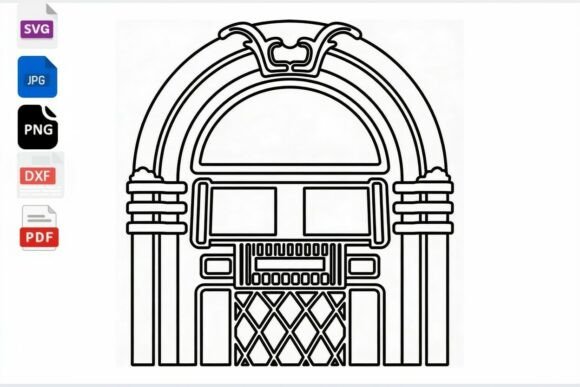
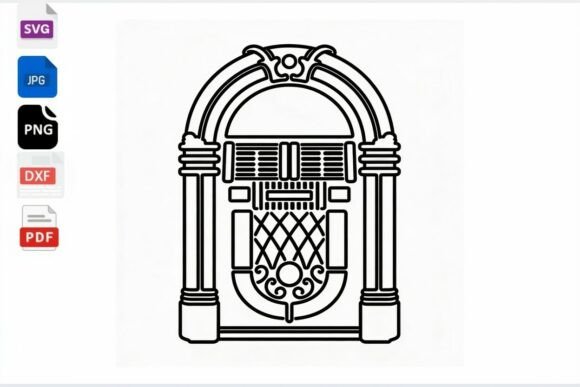
The moment you open the file, the mood is set. This isn’t just a generic music note; it captures a specific era. The Retro Jukebox SVG Clipart Cut File brings a warm, vintage aesthetic that feels immediate and inviting. For designers, that visual personality is half the battle won. It suggests fun, nostalgia, and a touch of mid-century cool without being overly cluttered.
From a technical standpoint, the line work appears clean. The curves of the jukebox cabinet and the details of the speaker grill are distinct. When evaluating any machine embroidery design, I always look for how well the shapes separate. If elements are too close together, they will merge during stitching, losing their definition. In this case, the layout seems balanced, offering enough negative space to breathe while maintaining a solid silhouette. It feels like a design built for clarity, which is essential when you are translating pixels into stitches.
Real-World Application: Where Does This Fit?
I often think about where a design will live before I even load the stabilizer. The Retro Jukebox SVG Clipart Cut File is versatile, but it shines brightest in specific contexts. Let’s talk about custom apparel. Imagine a heather grey sweatshirt with this design centered on the chest. The retro theme pairs naturally with casual wear, evoking a vibe that resonates with craft fair attendees and boutique shoppers alike.
It also works exceptionally well as an embroidered patch. Because the shape is self-contained, it translates beautifully onto iron-on patches for denim jackets or canvas tote bags. A tote bag design featuring this motif immediately elevates the product from a simple accessory to a statement piece. It adds character to everyday items, making it a strong candidate for handmade products that need to stand out in a crowded online marketplace.
For those selling baby items, consider a onesie or a nursery wall hanging. The soft curves and playful subject matter make it suitable for baby embroidery projects, provided the scale is adjusted appropriately. However, for holiday gifts, this design finds its true home. It fits perfectly into seasonal themes that celebrate music, parties, or vintage decor. It is the kind of personalized gift that makes a customer smile because it feels thoughtful and curated.
Technical Considerations for Embroidery Designers
While the vector looks great, the real test is the digitization potential. When converting this digital embroidery file into something your machine can read, several factors come into play. First, look at the stitch density. A jukebox design likely involves a mix of satin stitch for outlines and borders, and perhaps fill stitch for larger colored areas. You want to ensure that the fill areas are not so dense that the fabric puckers, especially if you are working with lightweight materials.
If you plan to use this as an applique design, the cut file becomes incredibly useful. You can cut the base fabric using the SVG, then stitch around the edges with a satin border. This technique adds dimension and prevents fraying, resulting in a more professional finished product. It is a smart way to handle complex shapes that might be difficult to embroider directly.
Thread color selection is critical here. To capture the retro vibe, you will want to choose threads that mimic the glossy finish of old vinyl or the chrome accents of classic machines. High-contrast thread colors against dark fabrics can make the design pop, while lighter threads on white fabric might require a backing or underlay to ensure visibility. Always test your color palette on scrap fabric first to check how the threads interact under light.
Where to Use Caution
No design is perfect for every surface. There are situations where the Retro Jukebox SVG Clipart Cut File might struggle. Avoid placing intricate versions of this design on highly textured fabrics like heavy waffle knits or terry cloth, as the texture can obscure fine details. Similarly, stretchy fabrics like thin jersey require careful stabilization to prevent distortion. If you are designing for caps or curved surfaces, remember that the curvature can distort straight lines, so you may need to adjust the design placement or scale.
Also, be mindful of tiny details. If you downscale the design significantly for a small project, delicate elements might disappear or become difficult to stitch cleanly. It is better to keep the design large enough to maintain its integrity. This is particularly important for commercial embroidery projects where consistency and quality are paramount to maintaining customer trust.
Impact on Brand and Sales
Using a well-executed design like this can enhance your brand’s perceived value. Customers associate clean, precise embroidery with quality. When a buyer sees a crisp Retro Jukebox SVG Clipart Cut File on a product, it signals that attention was paid to detail. This builds confidence in your shop and encourages repeat business.
For Etsy sellers and small shop owners, having a library of versatile design assets allows you to diversify your inventory without starting from scratch. You can create matching sets—perhaps a mug with a printed version and a tote with the embroidered version—boosting your average order value. The design’s broad appeal means it can cross multiple categories, from fashion to home decor, maximizing its utility.
Final Verdict
The Retro Jukebox SVG Clipart Cut File is a strong addition to any designer’s toolkit. It offers a blend of nostalgic charm and structural clarity that translates well to various mediums. Whether you are creating a one-off gift or scaling up production for a boutique line, this design provides a reliable foundation. Just remember to test thoroughly, pay attention to your stabilizer choices, and let the design’s personality shine through in your final presentation. It is a practical, stylish choice that respects both the maker’s time and the customer’s eye.