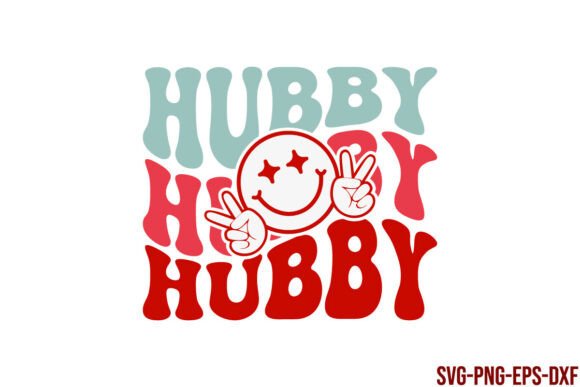
Retro Hubby SVG Review
As a designer who spends more time than I care to admit staring at stitch density charts and testing thread tension, I approach every new embroidery file with a mix of optimism and skepticism. We have all seen designs that look stunning in the digital preview but fall apart under the needle. Recently, I had the opportunity to evaluate the Retro Hubby SVG, a design that claims versatility across a wide range of DIY projects. My goal here is not just to describe what it looks like, but to assess its viability for real-world application, particularly for those of us running small shops or creating high-quality personalized gifts.
The first thing that strikes you about the Retro Hubby SVG is its mood. It leans heavily into nostalgia, utilizing a color palette and layout that feels distinctly vintage without being cluttered. For an embroidery project, this visual personality is crucial. When stitching, especially on items like custom apparel or tote bags, you want a design that reads clearly from a distance. This design achieves that balance well. The shapes are bold enough to hold their own against the texture of fabric, yet detailed enough to feel handcrafted rather than mass-produced. It immediately suggests warmth and humor, making it an excellent candidate for personalized gifts, whether it’s for a husband, a father, or a partner who appreciates a good retro aesthetic.
Real-World Application: From Screen to Stitch
I put the Retro Hubby SVG through its paces by imagining it in several common craft business scenarios. The most immediate fit seemed to be custom sweatshirts and t-shirts. The design’s horizontal flow works beautifully across the chest area of a garment. However, the true test of any machine embroidery design is how it interacts with different materials. I considered using this on heavy cotton twill for a durable embroidered patch or even on a softer jersey knit for a baby onesie, given the affectionate theme.
For the Etsy seller or the crafter looking to expand their catalog, this design offers flexibility. It translates well beyond fabric. While we are discussing embroidery, the source description notes that these designs are delivered in high-resolution formats suitable for sublimation, mugs, signs, and stickers. This means the Retro Hubby SVG can serve as a core asset for a multi-platform brand. You could create a cohesive line of products: an embroidered cap for the craft fair, a matching printed mug for the online store, and a wooden sign for home decor. This cross-medium consistency builds brand recognition, which is vital for any creative entrepreneur.
One specific scenario that stood out was the potential for holiday gifting. The "Hubby" theme naturally aligns with Valentine’s Day, anniversaries, or Father’s Day. By positioning this as a personalized gift option, you tap into an emotional buying trigger. Customers aren’t just buying a design; they are buying a way to express affection. If you are preparing a boutique product line, integrating this design into a collection of matching family-themed items could significantly boost engagement.
Technical Considerations and Fabric Compatibility
No design is perfect for every surface, and the Retro Hubby SVG is no exception. There are specific situations where you need to exercise caution. First, consider the hoop size. If your machine has a limited working area, ensure the design dimensions fit comfortably within your hoop margins. Attempting to embroider a large design on a small hoop often results in awkward trimming or distortion.
Fabric choice is equally critical. The design features distinct lines and potentially fine details. On textured fabrics like heavy denim or loose-weave linen, these details may get lost or appear jagged. Similarly, stretchy fabrics require a sturdy stabilizer to prevent puckering. Without proper support, the satin stitch edges might dig into the fabric, ruining the clean look of the retro style. I strongly advise testing the design on scrap fabric first, especially if you are working with dark or thin materials where thread contrast becomes a major factor.
Another area to watch is stitch density. While the description mentions high-resolution formats, it does not specify exact stitch counts or machine compatibility. As a reviewer, I must emphasize that you should verify these technical details before committing to a commercial run. High-density areas can cause bulkiness, which is undesirable for items like baby clothes or lightweight aprons. If the design includes dense fill stitches, consider using a cut-away stabilizer for better stability, particularly for items that will undergo frequent washing.
Visual Appeal and Customer Trust
From a branding perspective, the Retro Hubby SVG enhances the perceived value of a handmade product. In a crowded marketplace like Etsy, presentation matters. A clean, well-executed embroidery job signals professionalism and attention to detail. When customers see a finished product that matches the quality of the mockup, trust increases. This design supports that goal by offering a balanced composition that is neither too sparse nor overly complex.
The use of thread colors will also play a significant role in the final outcome. The retro theme likely relies on muted or pastel tones mixed with bold accents. Ensuring that your thread choices complement the fabric background is essential. For instance, light threads on dark fabric can sometimes look faint unless the stitch coverage is sufficient. Testing in black and white mockups can help you gauge the contrast levels before you start threading your machine.
Practical Designer Notes for Success
To get the best results with this digital embroidery file, I recommend following a few practical steps. First, always inspect the small details in the design. Are there tiny corners or thin lines that might break during stitching? If so, you may need to adjust the hooping technique or use a finer needle. Second, confirm whether the license allows for commercial use. Many sellers assume they can sell finished items made from purchased graphics, but terms vary. Check the provider’s guidelines regarding commercial embroidery rights to avoid legal issues.
Additionally, consider the end-use of the product. If you are creating a tote bag design that will carry heavy loads, ensure the embroidery is anchored securely. Loose threads can snag and unravel. For apron embroidery or kitchen towels, think about washability. Some thread colors may bleed, so pre-washing your fabric and testing dye fastness is a smart precaution.
Finally, do not underestimate the power of a good printable mockup. Before listing your small shop product, create realistic visuals that show the Retro Hubby SVG on various items. This helps customers visualize the finished product and can increase conversion rates. Whether you are selling physical goods or design assets, clear communication about what the customer is getting is key.
In conclusion, the Retro Hubby SVG is a versatile and charming addition to any crafter’s library. Its retro vibe and adaptable layout make it suitable for a wide array of projects, from custom apparel to holiday embroidery. By paying attention to fabric choice, stabilizer usage, and licensing terms, you can leverage this design to create high-quality, marketable products that resonate with buyers. It is a solid choice for anyone looking to add a touch of nostalgic warmth to their handmade offerings.