Retro Freedom SVG Review
As a designer who spends half my life in digitizing software and the other half stitching test samples, I have developed a fairly strict filter for new assets. The market is flooded with generic vectors that look fine on a screen but fall apart under an embroidery hoop. That is why I approached Retro Freedom SVG with a healthy dose of skepticism. The concept of "retro" design is often overused, leaning heavily into clichés that can feel dated rather than nostalgic. However, when evaluating a file for real-world application—specifically for commercial merchandise or high-end personalized gifts—the difference between a cluttered mess and a clean, sellable product comes down to execution.
This review breaks down how this specific design holds up when translated from a digital vector into physical thread, focusing on its viability for small business owners, Etsy sellers, and serious crafters.
First Impressions and Visual Personality
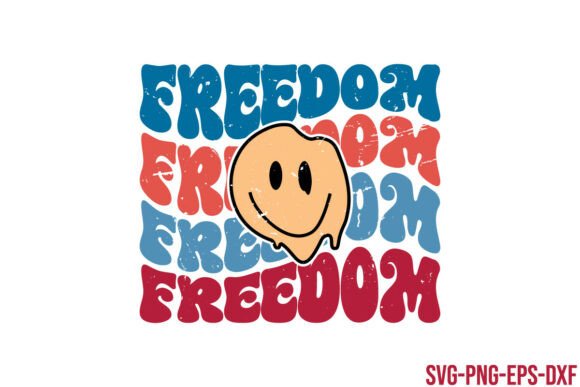
The immediate appeal of Retro Freedom SVG lies in its balance of boldness and simplicity. In the world of machine embroidery, less is almost always more. Complex gradients and thin lines that work beautifully in sublimation or screen printing often translate poorly to thread, resulting in muddy colors or broken stitches. This design avoids those pitfalls by relying on strong shapes and clear negative space.
Mood-wise, it evokes a sense of optimistic nostalgia. It feels like something you would see on a vintage surf shop sign or a mid-century modern poster, but streamlined enough for modern apparel. For a crafter looking to create a handmade product that stands out on a crowded marketplace, this visual personality is a significant asset. It doesn’t scream for attention; it invites it. This subtlety is crucial for custom apparel where the wearer might want to express a vibe without being overly literal about their interests.
Real-World Application: The Tote Bag Scenario
To truly judge an embroidery design, you have to imagine it on a finished item. Let’s look at a common use case: creating a custom embroidered tote bag for a boutique client. A tote bag is a challenging canvas because the fabric moves, the surface is uneven, and the design needs to be legible from a distance.
If I were to place Retro Freedom SVG on a heavy cotton canvas tote, the design’s structure would likely perform well. The central motif appears robust enough to handle a medium-sized hoop without feeling cramped. Unlike intricate floral patterns that require tiny, delicate stitches which can get lost in thick canvas weave, this design’s broader strokes would maintain their integrity. The result would be a professional-looking embroidered patch effect directly on the fabric, elevating a simple $5 tote to a $25 boutique item.
Furthermore, this design translates seamlessly to other accessories. Imagine it on a structured baseball cap. The curved surface of a hat can distort flat designs, but if the vector has good kerning and balanced weight, it sits naturally. Retro Freedom SVG seems to possess that kind of structural confidence. It would also work exceptionally well as a chest logo on a sweatshirt, offering a subtle nod to lifestyle branding rather than a loud graphic print.
Performance Across Different Fabrics and Projects
One of the most critical aspects of any machine embroidery design is how it interacts with different materials. Here is how this file tends to behave in various scenarios:
- Apparel and Sweatshirts: On fleece or jersey knit, the design will lay flat if stabilized correctly. The retro aesthetic pairs perfectly with heavyweight hoodies, creating a streetwear-inspired look that appeals to younger demographics.
- Baby Items: For onesies or burp cloths, the clean lines are safe and appealing. Parents often prefer designs that are gender-neutral and timeless. This fits that niche perfectly, making it a strong candidate for personalized gift shops.
- Kitchen Textiles: Tea towels and aprons benefit from durable, high-contrast designs. If stitched in a bold thread color against a neutral linen background, Retro Freedom SVG adds a touch of whimsy to kitchen decor without overwhelming the utility of the item.
- Holiday Merchandise: While not explicitly seasonal, the retro style can be adapted for holiday themes by simply changing the thread colors. A festive red and green palette could turn this into a unique Christmas ornament or stocking stuffer idea.
Where Caution Is Required
No design is perfect for every situation. There are specific contexts where Retro Freedom SVG might struggle, and recognizing these limitations is what separates a pro from a hobbyist.
First, avoid using this on highly textured fabrics like bouclé wool or thick chenille. The needle penetration required for the fill stitch areas might cause the fabric to pucker or the design to become distorted. Second, be mindful of small details. If your digitizer has included tiny text or very fine accent lines, these may not survive repeated washing cycles. Friction from laundry can fray loose threads, so always inspect the smallest elements before committing to a bulk production run.
Additionally, consider the stitch density. If the design is too dense for the chosen fabric weight, it will feel stiff and uncomfortable, especially on garments worn close to the skin like baby clothes or t-shirts. Always check the back of the sample; if there is excessive backing visible, the design may need adjustment or a lighter stabilizer choice.
Practical Designer Notes for Implementation
Before you upload this file to your machine and start producing commercial embroidery pieces, follow these practical steps to ensure quality:
- Test on Scrap Fabric: Never trust a screen preview. Stitch the design on the exact same fabric type you plan to sell. This reveals how the fabric texture interacts with the thread.
- Check Thread Contrast: Retro designs often rely on color blocking. Ensure your thread choices provide enough contrast against your base material. Low contrast can make the design look muddy and unprofessional.
- Verify Hoop Size: Confirm that the final digitized size fits within your standard hoops. If you are scaling the design up or down, re-check the stitch density to ensure it remains appropriate for the new dimensions.
- Use Proper Stabilizer: The success of any embroidery project depends largely on stabilization. Use a cut-away stabilizer for woven fabrics and a tear-away for knits, depending on the garment's stretch.
- Review Licensing: As a craft business owner, you must verify the license terms. Does the purchase allow for commercial sale of finished goods? Can you use it in digital mockups? Clarifying this upfront protects your Etsy seller account and brand reputation.
Final Verdict on Design Value
From a design perspective, Retro Freedom SVG offers a solid foundation for creators looking to add value to their product lines. It strikes a balance between trendy aesthetics and timeless appeal, making it versatile enough for small shop products ranging from tote bag design collections to nursery decor.
The key to success with this asset lies in execution. By paying attention to thread colors, choosing the right stabilizer, and testing thoroughly, you can transform this digital vector into a high-quality finished product that customers trust. It is not just a graphic; it is a tool for building brand consistency and engaging buyers who appreciate the nuance of handmade, embroidered goods. For anyone in the graphics and crafts space looking to expand into textile arts, this design provides a reliable entry point.