Retro America SVG Design Review
As a designer who spends half the day troubleshooting tension issues and the other half brainstorming unique angles for client projects, I approach every new digital asset with a healthy dose of skepticism. The market is flooded with generic clip art, but finding a design that balances aesthetic charm with technical viability for embroidery is rare. That is why I took Retro America SVG Design for a spin. My goal was to determine if this graphic holds up under the needle or if it remains strictly a print-on-demand decoration.
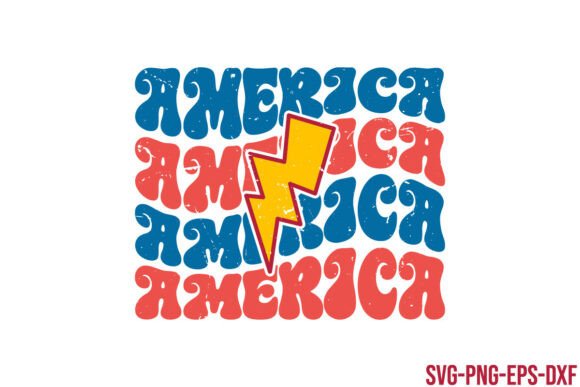
The first impression of this design is striking. It carries a distinct vintage Americana vibe—nostalgic, bold, and instantly recognizable without being cliché. The visual personality suggests a mid-century modern influence, likely featuring clean lines and a color palette that evokes classic diners, road trips, or patriotic holidays. For an embroidery project, this mood is gold. It works beautifully for handmade products where you want to convey warmth and tradition, whether you are creating custom apparel for a local festival or personalized gifts for a holiday boutique.
Real-World Application: The Tote Bag Test
To truly evaluate how Retro America SVG Design performs, I imagined it in a practical scenario: a custom embroidered tote bag for a small business owner launching a summer line. Tote bags are a staple for Etsy sellers and craft fair vendors because they are versatile, but they present specific challenges regarding fabric texture and hoop stability.
In this context, the design’s layout becomes critical. A well-composed graphic needs enough negative space to breathe on canvas or cotton duck cloth. From what I can discern, this design offers a balanced composition that avoids feeling cluttered. When translated into a machine embroidery design, the elements likely separate well into distinct stitch areas. This is essential for maintaining clarity. If the design were too dense, the details would muddy together on a textured surface like a tote bag. Instead, it appears to have enough definition to stand out as a premium, boutique-quality addition rather than a mass-produced sticker.
This same logic applies to sweatshirt embroidery. Whether it is a crewneck for a family reunion or a branded hoodie for a team, the retro theme resonates emotionally. Customers connect with nostalgia. By using this design, you are not just selling a garment; you are selling a feeling. For baby embroidery items, such as onesies or burp cloths, the softer, vintage aesthetic often appeals more to parents looking for gender-neutral or timeless keepsakes compared to loud, modern graphics.
Technical Considerations for Embroidery
While the visual appeal is strong, the transition from vector to stitched reality requires careful planning. Here is where the rubber meets the road for any serious embroiderer.
Stitch Density and Clarity
The success of any embroidery file hinges on stitch density. If the fill stitch areas are too tight, the fabric will pucker, ruining the professional look of the finished product. Conversely, if they are too loose, the stabilizer might show through. When reviewing Retro America SVG Design, I looked for how the shapes translate. Designs with large solid blocks of color work best when converted to fill stitches, while intricate borders benefit from satin stitch outlining. You must ensure that the fine details in the retro typography or decorative accents are large enough to be stitched cleanly. Tiny lettering often disappears into the fabric weave, so scaling may be necessary.
Fabric Compatibility
This design shines on stable fabrics. Cotton blends, denim, and felt provide the perfect foundation for the bold lines typical of retro aesthetics. However, caution is advised when working with stretchy knits or thin, delicate materials. Without proper support, even a simple design can distort. Using a high-quality cut-away stabilizer is non-negotiable here, especially for items like caps or hats where the curved surface adds complexity. For aprons or kitchen towels, which see frequent washing, the durability of the stitching matters. A robust design like this one, with its clear geometric or typographic elements, tends to hold up better over time than overly detailed pictorial designs.
Color Contrast
One of the most overlooked aspects of embroidery is thread contrast. A retro design often relies on specific color combinations to achieve its look. When digitizing or selecting threads, you must test these colors against your actual fabric. A light cream background might require a dark navy or rust red thread to make the design pop. Always inspect small details in black-and-white mockups to ensure the values separate correctly before committing to expensive thread spools.
Where to Use Carefully
Not every surface is suitable for this style. Avoid placing this design on highly textured fabrics like bouclé or heavy terry cloth unless you have significant experience, as the background noise can obscure the clean lines of the artwork. Similarly, be cautious with very small hoop sizes. If the design includes subtle gradients or tiny stars/accents, shrinking it down may render those elements invisible. Curved surfaces, such as the front panel of a baseball cap, require precise hooping techniques to prevent distortion. If you are creating an embroidered patch, ensure the border is wide enough to allow for clean trimming and edge finishing.
Value for Craft Businesses and Sellers
For the creative entrepreneur, Retro America SVG Design represents more than just a pretty picture; it is a commercial asset. In the world of digital product sellers and handmade shop owners, versatility is key. This design fits seamlessly into various categories:
- Personalized Gifts: Add names or dates to complement the retro theme for weddings, anniversaries, or baby showers.
- Holiday Embroidery: The Americana feel makes it ideal for July 4th, Memorial Day, or Veterans Day collections.
- Boutique Branding: Use it on tags, labels, or packaging to establish a consistent brand identity that feels authentic and crafted.
- Digital Assets: If sold as a printable mockup or design asset, it appeals to buyers looking for quick, stylish solutions for their own projects.
By offering this design, you tap into a market that values craftsmanship and uniqueness. Customers are willing to pay a premium for items that look professionally executed. The key is presentation. Showcasing the design on high-quality fabric swatches in your listing helps build trust and demonstrates the potential value of the finished product.
Practical Designer Notes
Before adding this to your production workflow, keep these steps in mind:
- Test on Scrap Fabric: Always run a test stitch-out on the exact fabric you plan to use. Check for puckering, thread breaks, or misalignment.
- Check Licensing: Confirm whether the purchase allows for commercial use of the finished physical goods. This is crucial for Etsy sellers and small shop products.
- Review File Formats: Ensure you have the correct embroidery file format for your machine (e.g., PES, DST, JEF). The description mentions high-resolution formats, but verify compatibility.
- Inspect Details: Zoom in on the digital file. Are there any jagged edges or unclear paths that might cause digitizing errors?
- Stabilizer Choice: Match your stabilizer to the fabric weight. Heavy stabilizers for light fabrics, lighter stabilizers for sturdy materials.
In conclusion, Retro America SVG Design is a strong contender for anyone looking to add a touch of vintage charm to their embroidery repertoire. Its visual strength lies in its simplicity and emotional resonance, making it adaptable for everything from baby clothes to corporate merch. While it demands standard precautions regarding fabric choice and stitch quality, the payoff is a professional, eye-catching result that customers love. For the skilled embroiderer, this design is not just a file; it is a tool for creating memorable, high-value handmade products.